
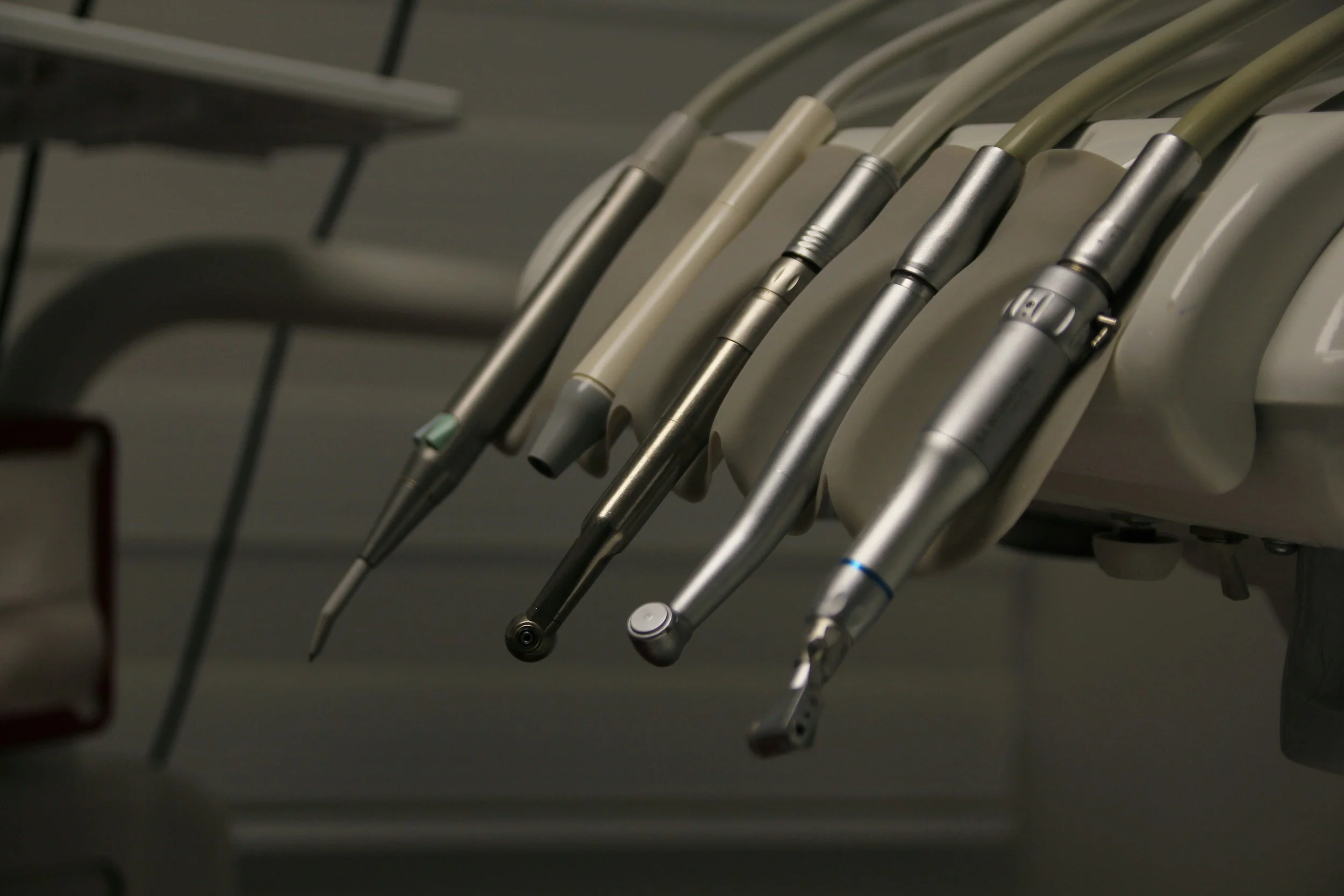
Precision Dentistry, Comprehensive Solutions
Our analysis demonstrates a commitment to evidence-based methodologies that optimize each clinical procedure, ensuring measurable improvements in oral health outcomes.
By integrating advanced imaging technologies with meticulous treatment planning, the team facilitates precise interventions that implement solutions efficiently while preserving patient comfort.
Our Services
-
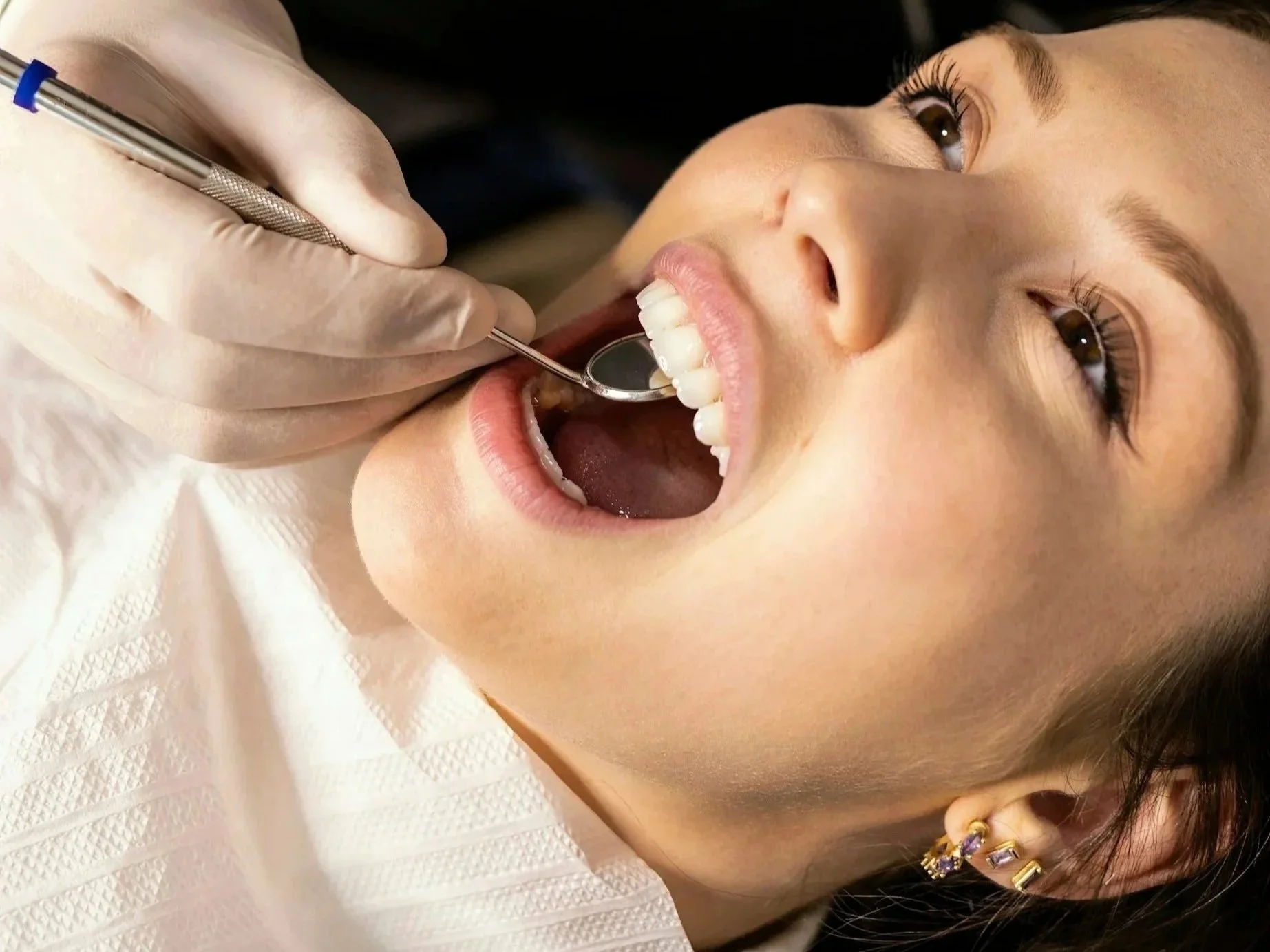
Preventative
Prevention and early detection are critical for avoiding tooth decay and gum (periodontal) disease. Good home brushing and flossing habits, in addition to regular check-ups, frequent dental cleanings and visits can help preserve a healthy smile.
-
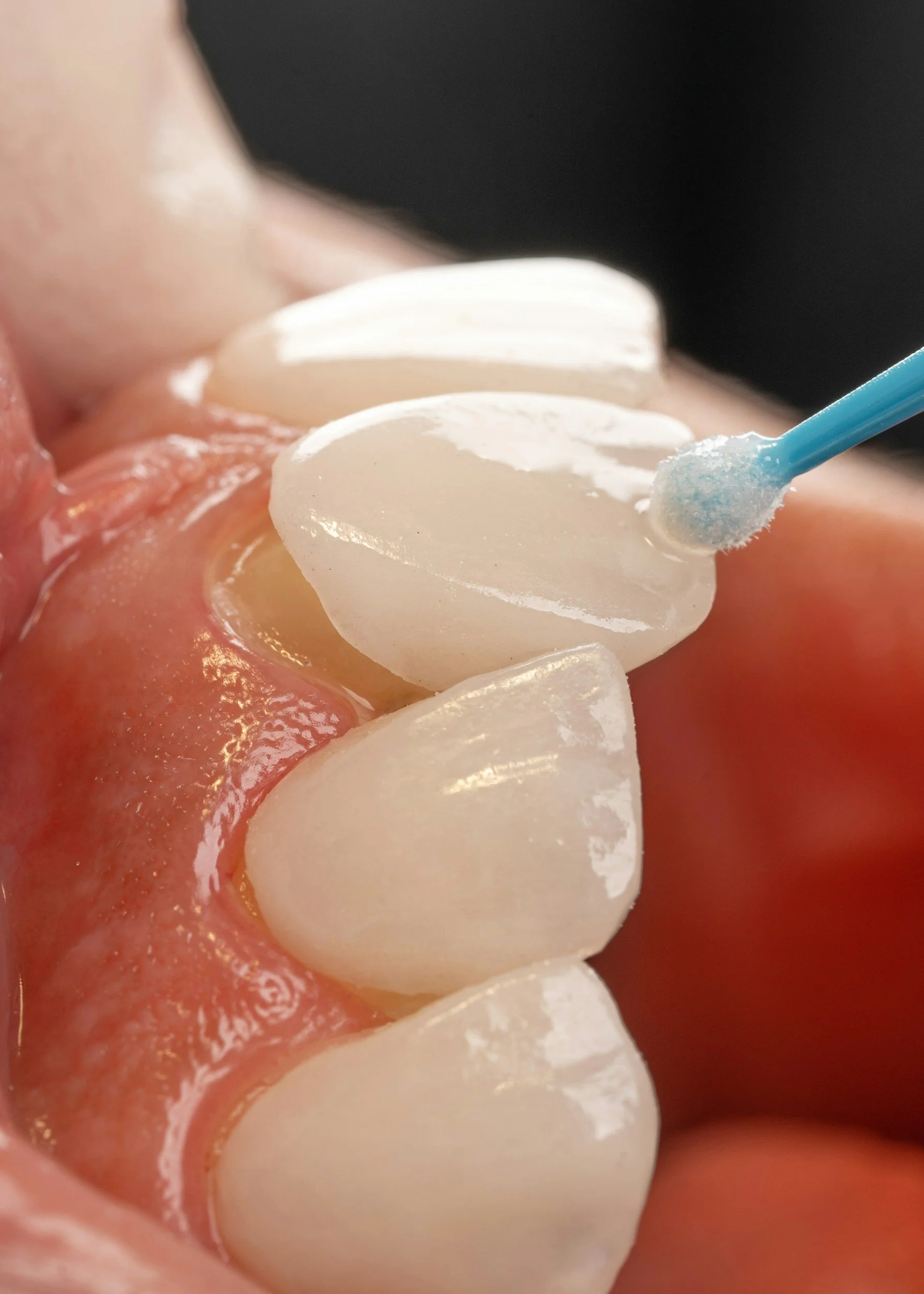
Cosmetic
Veneers are strong and very thin pieces of porcelain that are bonded to the teeth. Veneers can be used to cover teeth that are chipped, misshapen, or stained.
Bonding is a quick and esthetically pleasing way to modify and work with what you got. Composite resin is one material used to fill cavities, it is also capable of enhancing the tooth’s appearance.
-
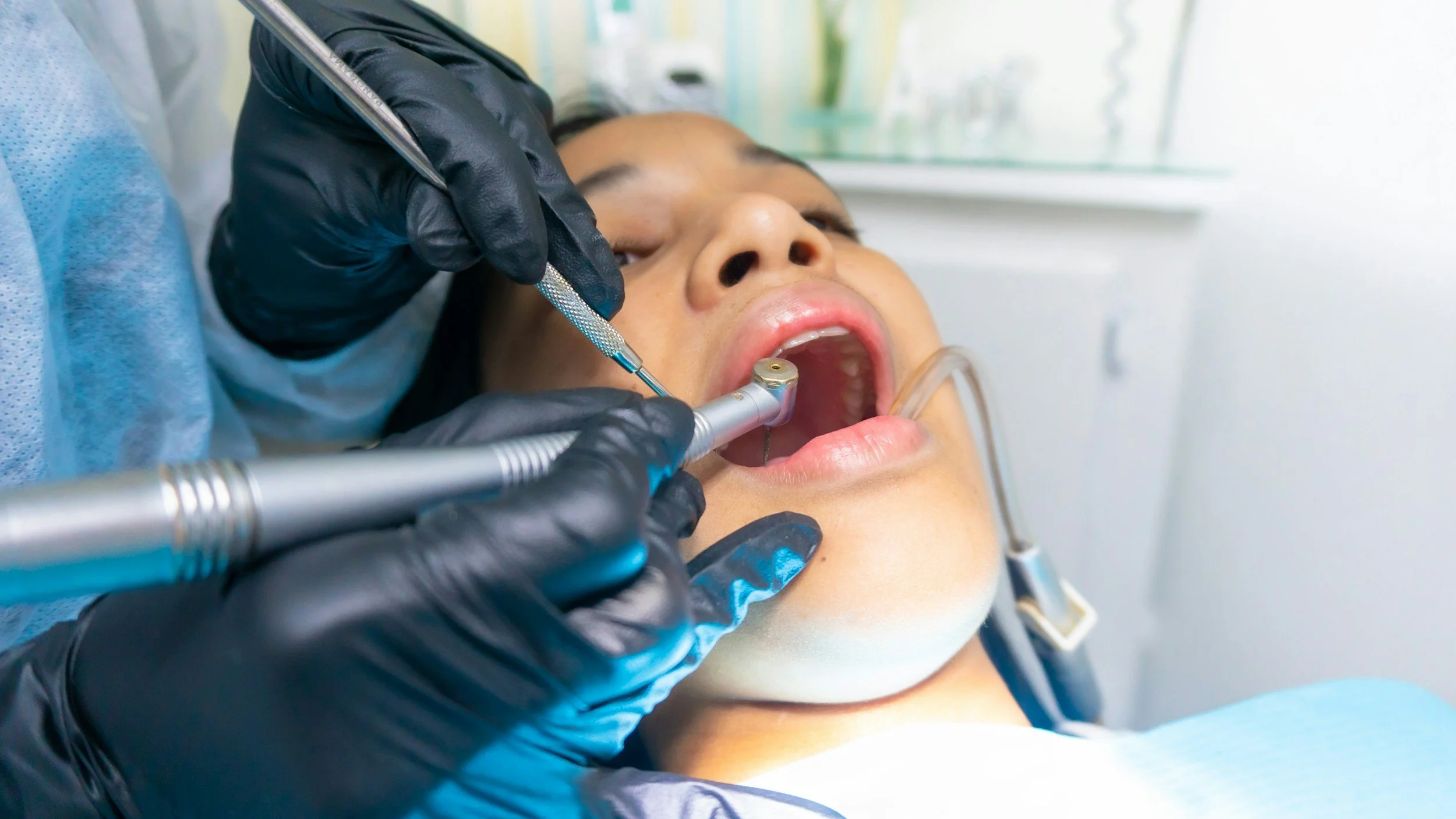
Fillings
When a tooth needs to be repaired due to damage or decay (cavities), dental fillings are used to preserve, restore, and maintain natural teeth.
The material we use most often use is a white plastic paste material called “composite resin” that is bonded, cured, and hardened to a tooth-like texture.
-
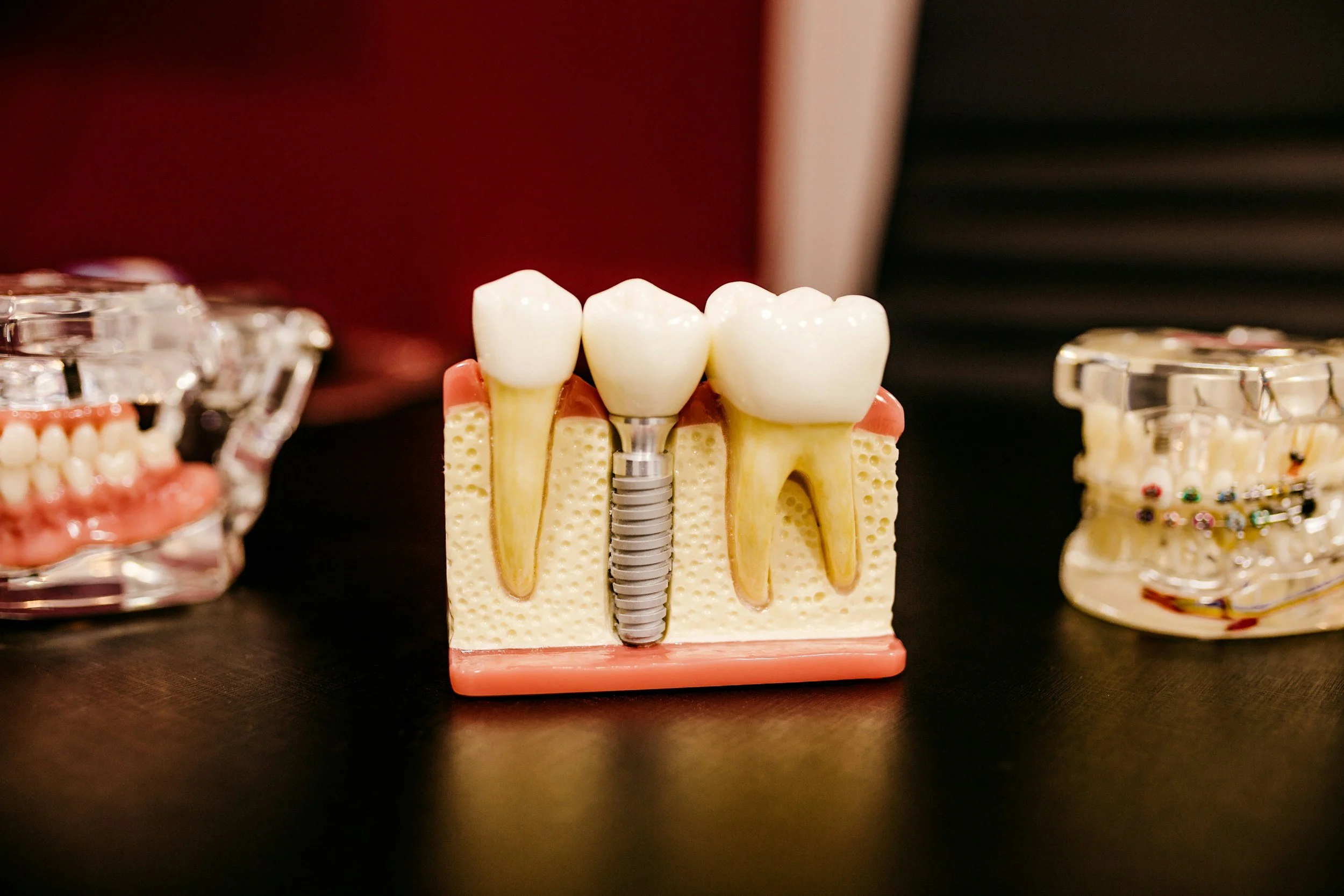
Dental Implants
An artificial tooth and root replacement that is fixed in the mouth and resembles a natural tooth. When a tooth must be extracted due to damage or decay, a dental implant is the strongest and most long lasting restoration available.
-
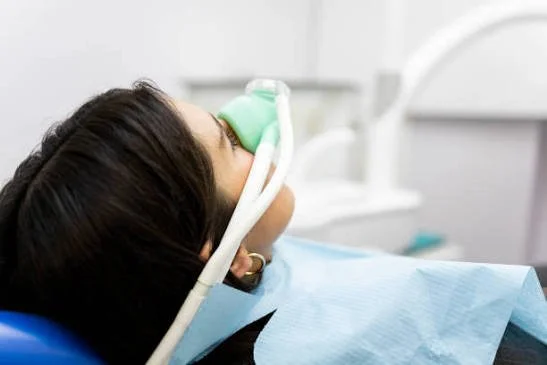
Sedation
Members of our staff are certified in sedation techniques. If you have anxiety about visiting the dentist, we have options to help make your visits to our office more relaxing and comfortable.
Nitrous Oxide (laughing gas)
Oral Sedation
-
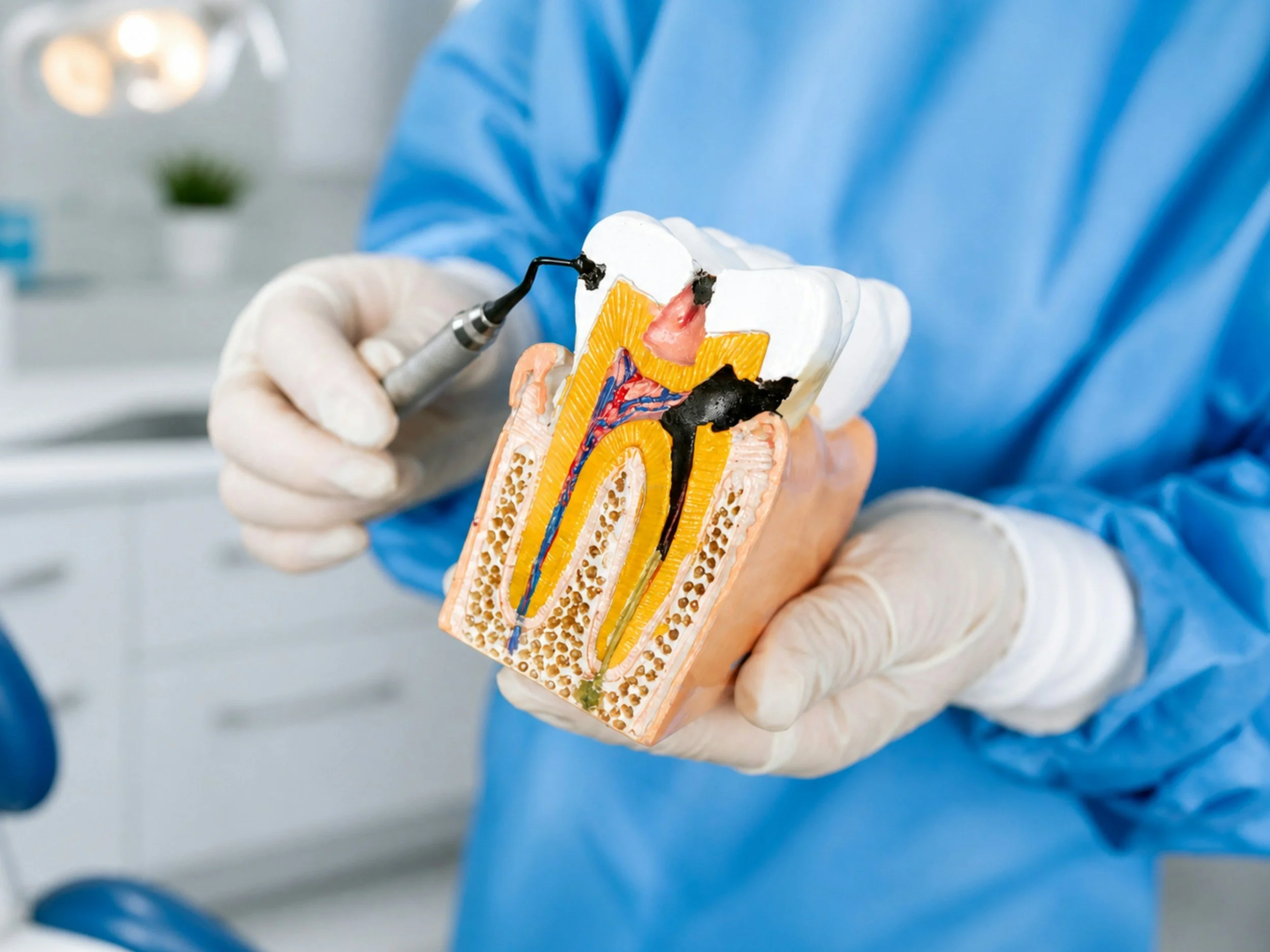
Root Canals (Endodontics)
Root Canal treatment is usually required when there is an irreversible injury to the nerve of a tooth. This can be due to a large cavity that is present or due to trauma such as a fracture.
Once a tooth is injured, diseased, or cracked, it is sometimes possible to open the tooth and clean out the damaged tissue inside. Root canal treatment or “therapy” allows us to save a diseased tooth by removing the disease and bacteria from inside the tooth, filling it, and sealing it
-
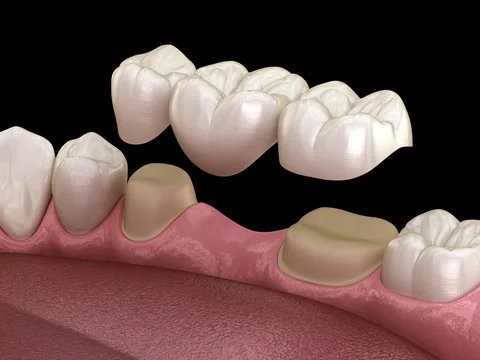
Bridges
Also called a fixed partial denture, replaces missing teeth with permanent artificial teeth. A bridge is often made from a combination of metal and porcelain. Unlike implants, the artificial porcelain teeth are attached to the surrounding natural teeth to anchor them securely.
-
Crowns
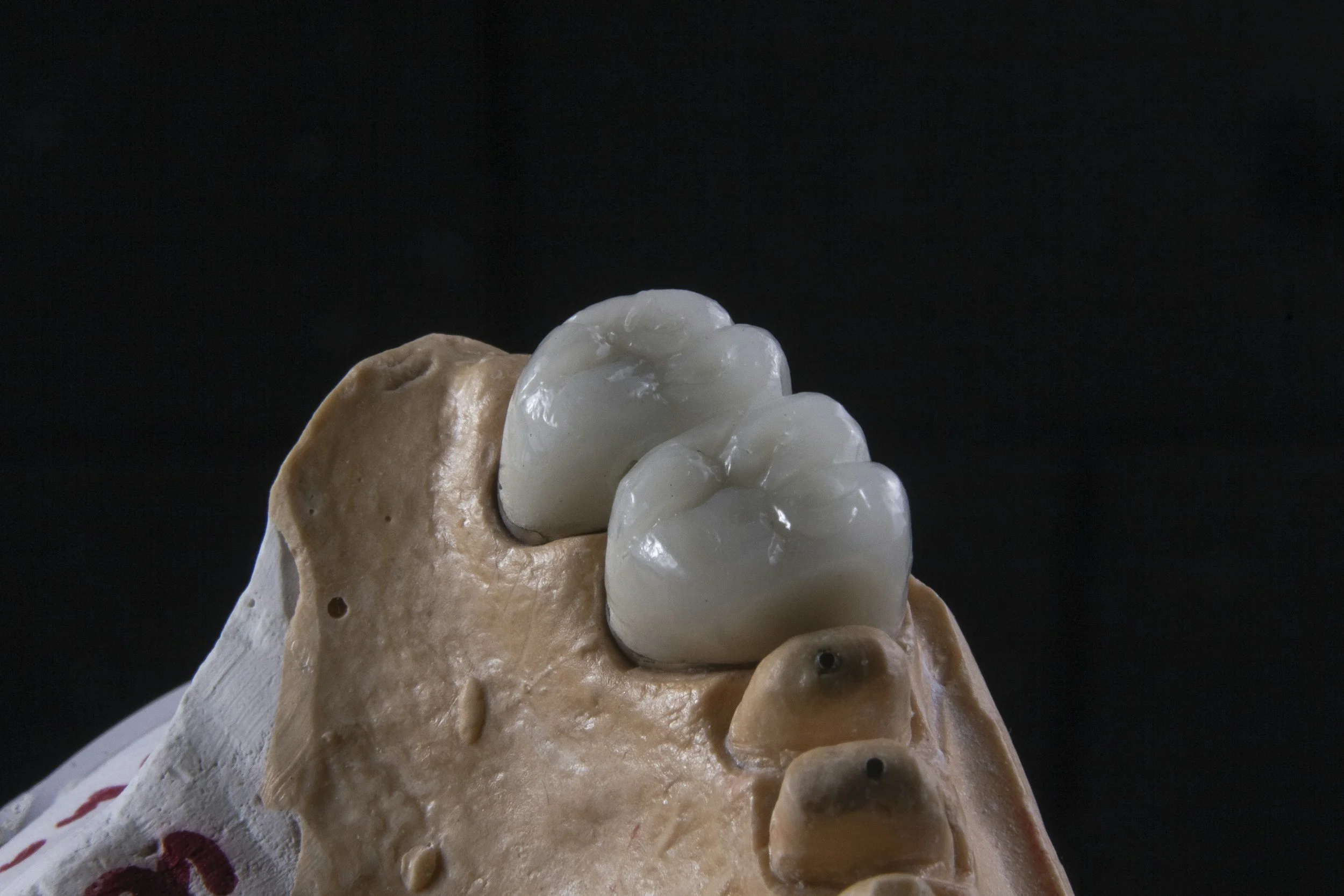
Crowns, also called "caps" are dental restorations that cover and protect damaged, cracked or broken teeth.
Crowns are often needed to strengthen a tooth after root canal treatment, or after a wide, large filling.
Crowns can be made of all porcelain or a combination of porcelain and metal.
-
Extractions
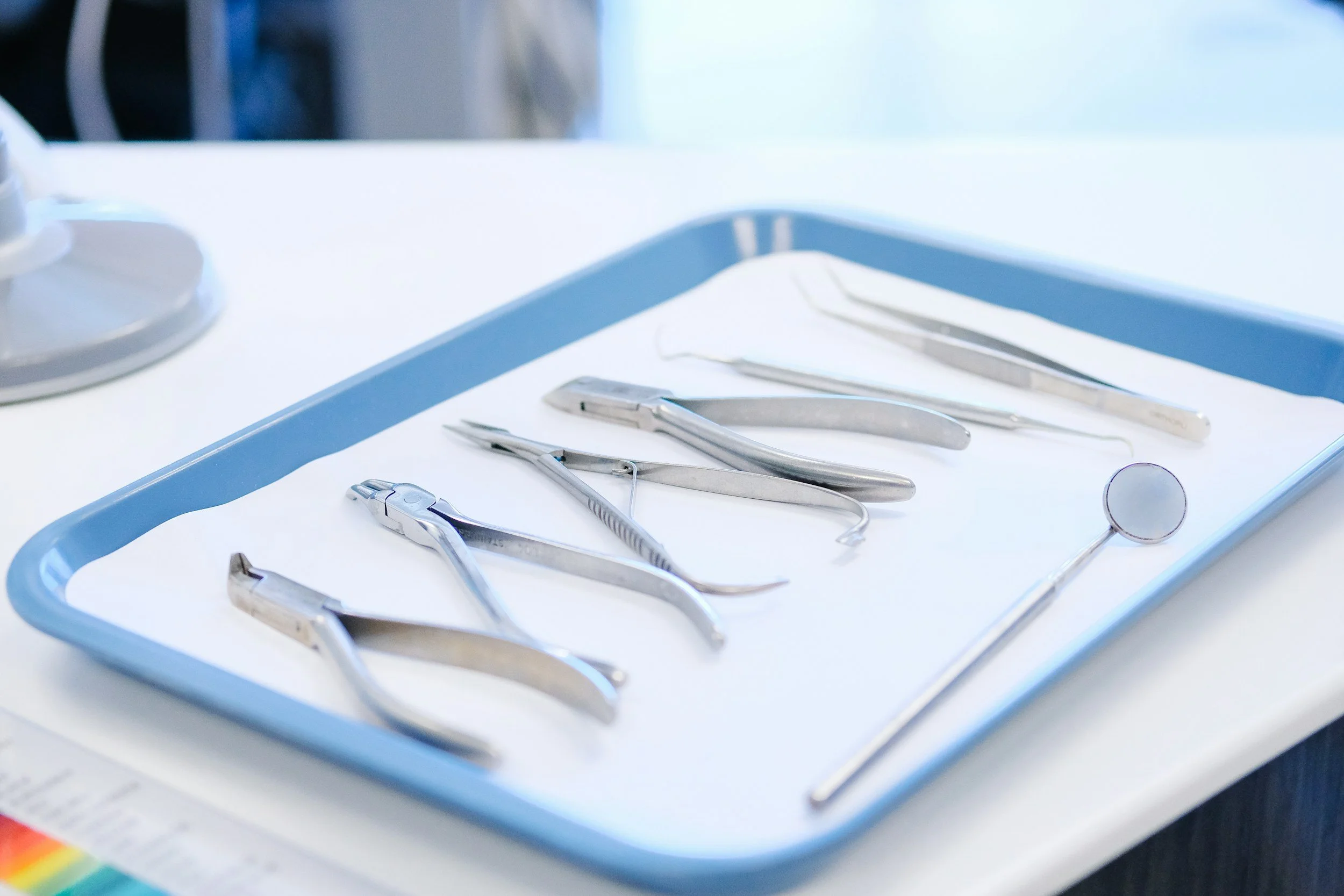
A severely damaged tooth may need to be removed (extracted). When a tooth must be removed due to damage or decay, we offer several options for restoring teeth, such as implants, bridges, and partial dentures.
Wisdom teeth often require extraction because there is not enough room for them to fit in the jaw. These impacted teeth are routinely removed in our office.
-
Gum Grafting
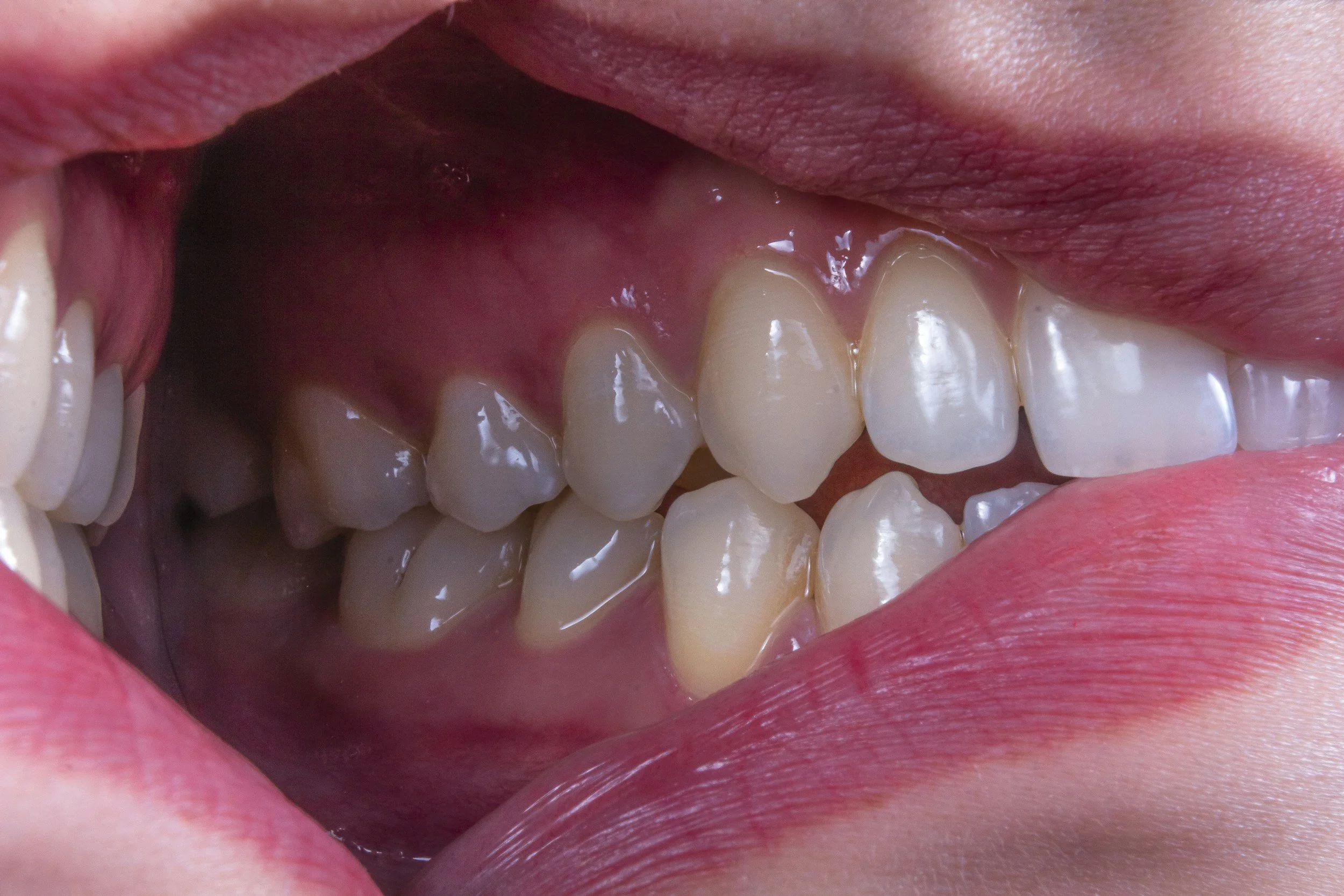
Gum grafting is a procedure used to build up the gums after they have become infected and receded (pushed back from the teeth). Healthy gum tissue is harvested from the patient’s mouth and grafted onto areas where the gums are receding or thin. Once gum disease has progressed to a stage where the mouth has been affected, gum grafting procedures may be necessary to restore the gum tissue in a specific area of the mouth.
-
Digital X-rays
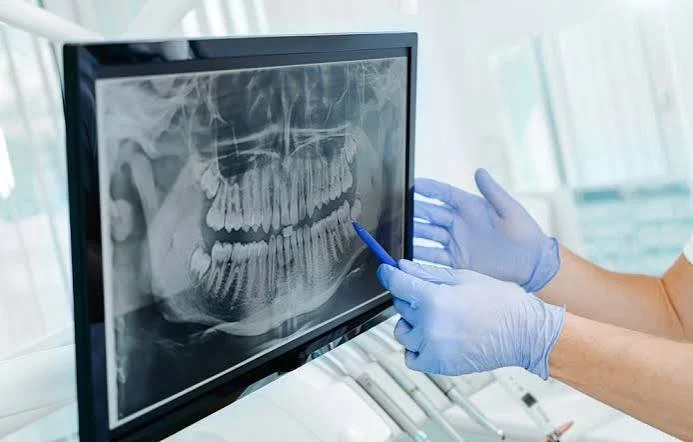
We are delighted to offer digital x-rays which provide many benefits to our patients, including:
Safety – radiation is decreased by up to 80%
Instant results – images appear immediately on a computer in the operatory
Increased versatility – digital images allow us to “zoom in” to see greater detail at a high level of resolution
Environmentally friendly – no chemicals used in the process and no lead waste as with conventional x-rays.
-
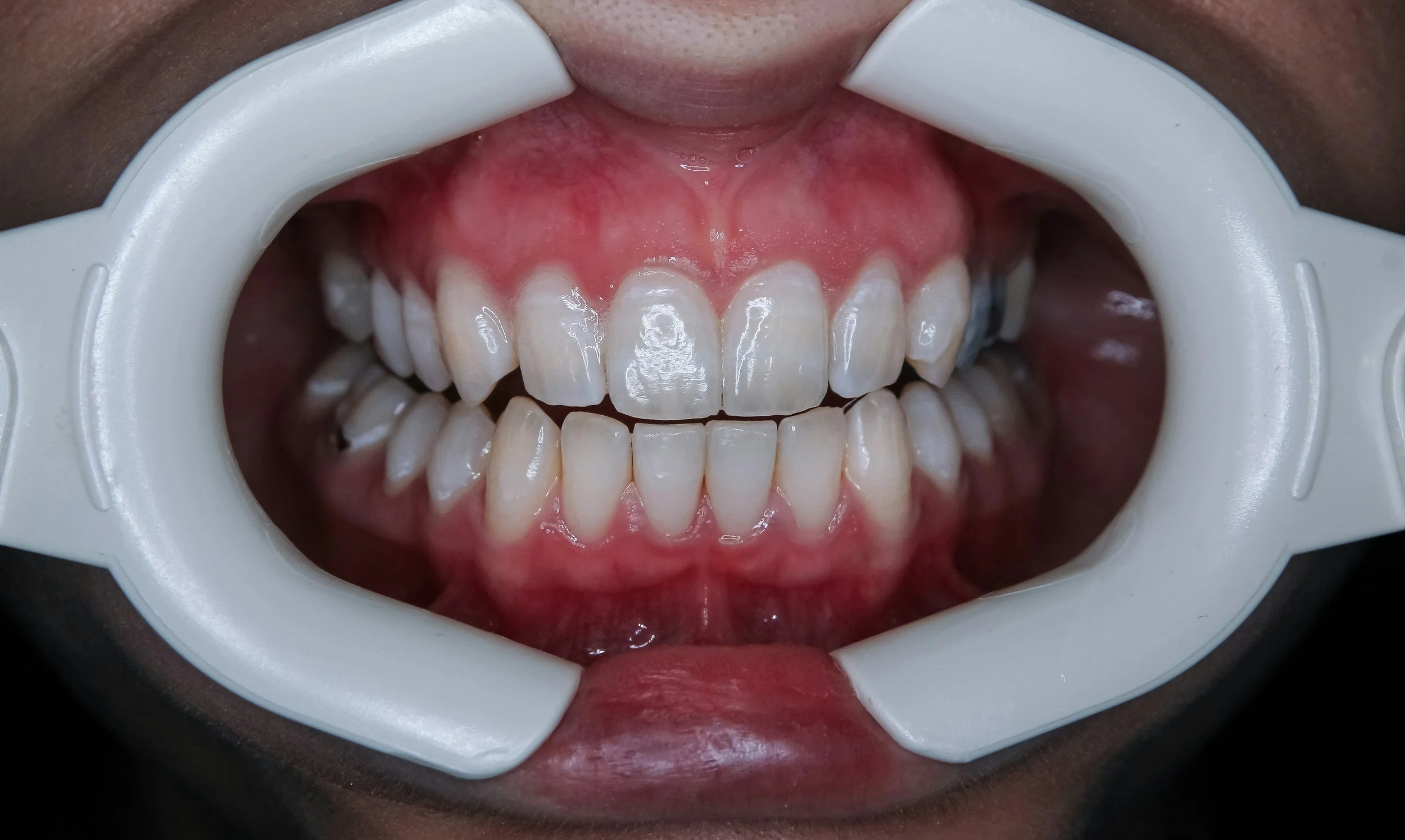
Whitening
Staining of teeth may be caused by smoking, damage, various foods and beverages such as coffee and tea, and wine, as well as by age. Whitening can help you feel better about your smile!
Teeth may require additional whitening treatment in the future as teeth will stain or darken over time. If you smoke or drink heavily pigmented beverages such as tea, coffee, or red wine, you will need to repeat whitening more often to maintain results.
-
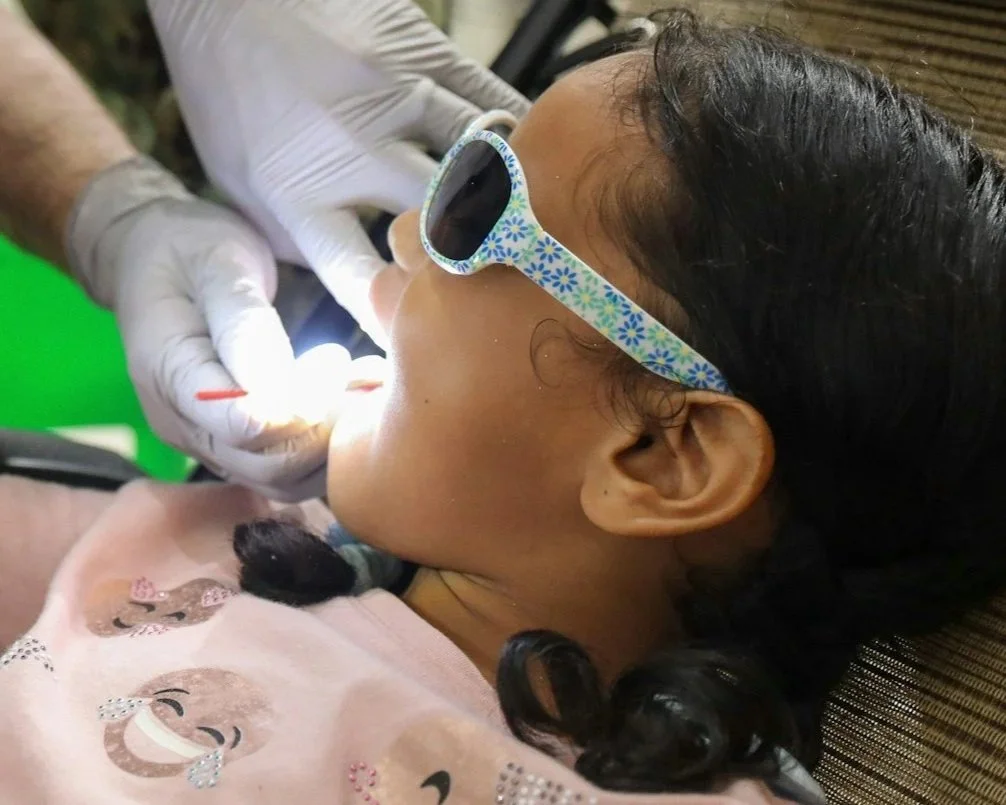
For Children
Kids are special and we make a special effort to make our office feel friendly and welcoming to children. Having had young children ourselves, we know that a dental office can be intimidating to little ones. To make visits more enjoyable for our youngest patients, we offer:
Experienced staff
Music of their choice
Noise cancelling ear muffs
Fidget toys
Prize box after treatment
Nitrous Oxide (age/health dependent)
-
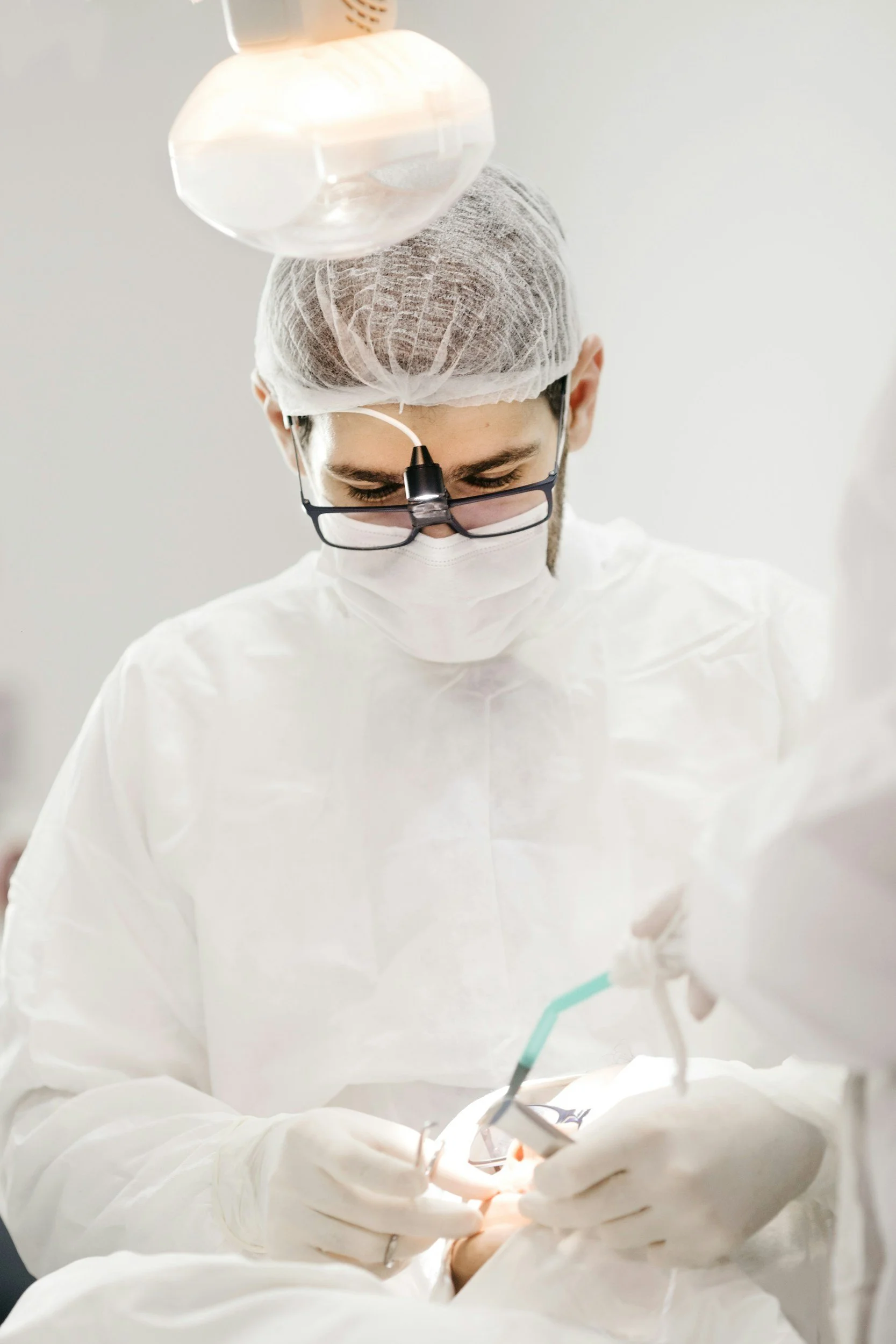
Laser
Dental lasers use focused light beams to create changes in the tissue of the mouth. They can be used by dentists and oral surgeons for procedures ranging from periodontal restorations to minor oral surgery.
Many dentists have performed dental procedures involving dental lasers. They’re becoming a more common tool used by dentists and oral surgeons due to the benefits they offer, including:Less risk of infection
Faster healing
Greater accuracy
Less bleeding (because they seal blood vessels while cutting)
-
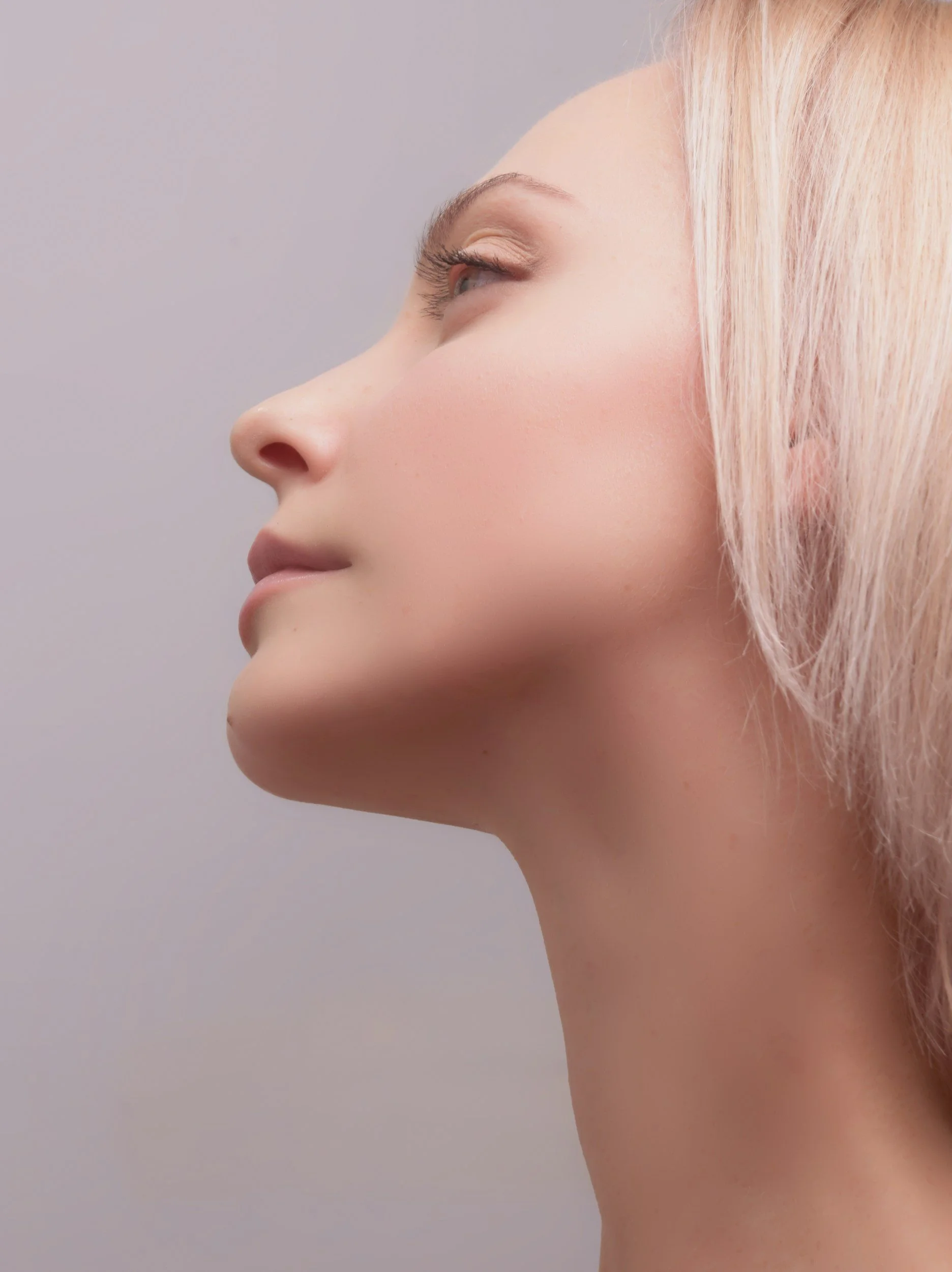
TMJ/TMD Treatment
Temporomandibular disorder affects one or both of the temporomandibular joints (TMJ). These joints connect the upper jaw and the lower jaw and allow you to open and close your mouth for activities like chewing and talking.
TMD can be diagnosed by a range of health professionals, including dentists. A dentist will typically check for TMD during a routine oral exam, usually by looking at x-rays, feeling the joints, head, neck, and ears, and asking the patient questions about symptom